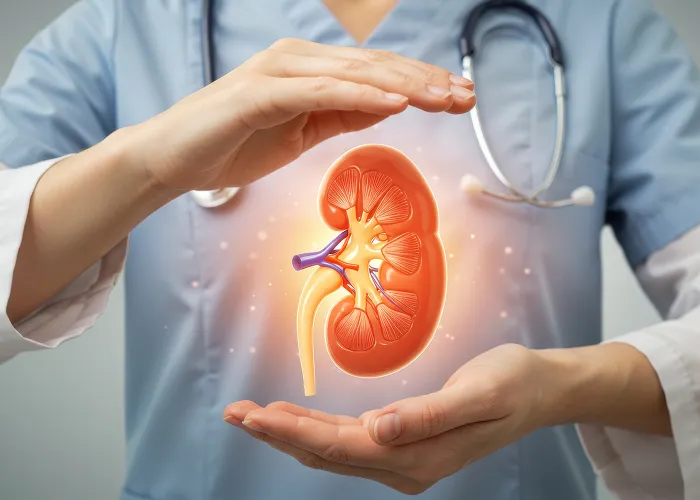


Kidney Stones may vary in size and shape. A small kidney stone may pass through the urinary tract on its own, causing little or no pain. A larger kidney stone may get stuck along the way. A kidney stone that gets stuck can block the flow of urine, causing severe pain or bleeding. Here are three different kidney stone removal methods.
(Source: https://www.niddk.nih.gov/health-information/urologic-diseases/kidney-stones/definition-facts)
Hemodialysis is a treatment for kidney failure that uses a machine to filter blood outside the body. At the start of a hemodialysis treatment, a dialysis nurse places two needles into the arm. A pump on the hemodialysis machine draws the blood through one of the needles into a tube, a few ounces at a time. The blood travels through the tube to the filter, called a dialyzer. Inside the dialyzer, blood flows through thin fibers that filter out wastes, extra salt, and extra fluid. After the dialyzer filters the blood, a different tube carries blood back to the body through the second needle.
Staff-Assisted Home Dialysis
Many people choose to have dialysis at home, which can be much more convenient. Liberty Home Dialysis will provide a nurse who will go to the patient’s home and deliver treatment in the privacy and comfort of their home, at a time that works for them. We recognize that it’s not convenient for everyone to come to a dialysis facility three times per week, so we do our best to remove all barriers to receiving dialysis by bringing the treatment directly to the patient.
Not only does the patient have a nurse assigned to them who comes to their home three times per week, we also provide a complete care team, which includes a nephrologist, dietitian, and social worker. The care team will come to the patient’s home to meet with them each month, or more frequently if necessary, to talk with the patient about their dialysis treatments and health concerns.
We believe that patients who receive dialysis at home should receive the same high level of care and attention as those who come to our dialysis centers. Our entire team goes directly to the patient to ensure that they receive the best care possible.
In-Clinic Dialysis
We have several dialysis clinic locations around the Dallas-Fort Worth area. Each and every facility we partner with is state-of-the-art and staffed with caring, licensed renal nurses.
Preparing for Dialysis
Preparations for hemodialysis should be made at least several weeks in advance. Patients will need to have a procedure to create an “access” several weeks or months before treatment begins, as it needs time to heal or “mature.” The Dallas Renal Group works with the Dallas Vascular Center, a state-of-the-art, Joint Commission Gold Seal-Approved facility.
Vascular access creates a way for blood to be removed from the body, circulate through the dialysis machine, and then return to the body at a rate that is higher than can be achieved through a normal vein. There are three major types of access. A nephrologist will recommend which option is best for you.
Peritoneal dialysis is an alternative to hemodialysis that utilizes the membrane that lines the peritoneal cavity within the abdomen. With this method, the patient will have a catheter placed in the abdominal cavity, which is used to fill the abdomen with dialysis solution. Once the dialysis solution fills the abdominal cavity, the membrane lining, called the peritoneum, allows wastes and excess fluid to pass from the blood into the dialysis solution. The wastes and excess fluid then leave the body when the dialysis solution is drained.
There are two methods of peritoneal dialysis. One can be done manually, in a method called Continuous Ambulatory Peritoneal Dialysis (CAPD). The other uses a machine while the patient sleeps, called Continuous Cycling Peritoneal Dialysis (CCPD). Both methods are done 7 days per week, and are performed by the patient following a several-week training program. Peritoneal dialysis has comparable risks and benefits. A nephrologist will review the treatment options with the patient to determine the best solution.
Transplantation is the only treatment for chronic kidney disease and end-stage renal failure. Since kidney function cannot be restored, patients with the disease can only maintain health through dialysis treatments. That’s why we encourage all of our patients who qualify to join the transplant waiting list. Some of our patients who have received a transplant were only on the waiting list for a matter of months. While that varies from patient to patient, we see great success in transplantation. Our physicians and care team have excellent resources for those who are interested in and qualify for a kidney transplant. Learn more about transplantation here:
Watch the full video for expert insights on glomerulonephritis, evolving treatment approaches, and the future of kidney care.
VIDEO: https://www.youtube.com/watch?v=suW8u6TOkVY
Glomerulonephritis (GN) treatment has evolved significantly over the years. Instead of a one-size-fits-all approach, treatment today focuses on understanding the specific type of kidney disease, its severity, and how quickly it may progress.
Managing the underlying cause: Treatment begins by identifying what is driving kidney inflammation. Infections, immune system disorders, or other medical conditions may require targeted treatment.
Controlling inflammation: Certain patients may require medications that regulate or suppress the immune system to reduce inflammation and prevent additional kidney damage. Newer treatment options now allow for a more personalized approach.
Protecting kidney function: If kidney damage has already started, treatment focuses on slowing disease progression and preserving remaining kidney function through long-term management.
Long-term monitoring and care: Glomerulonephritis is often a chronic condition that requires ongoing follow-up, regular testing, and treatment adjustments to help reduce future complications.
Early diagnosis and individualized treatment can play an important role in slowing disease progression and supporting long-term kidney health.
.svg)