October 24, 2026


Most patients can lower what they pay for kidney medications, and many qualify to get them free. The newest treatments for chronic kidney disease (CKD) protect kidney function, but brand-name prices can run hundreds of dollars a month. Help comes from several places: your insurance plan, Medicare protections, drug-maker programs, charities and discount pharmacies.
Please do not skip doses, split pills or stop a medicine because of cost. Tell your Dallas Renal Group care team first. We would much rather help you find a lower-cost option than see your kidney health slip.

Your own plan is usually the cheapest path, so start there before turning to coupons.
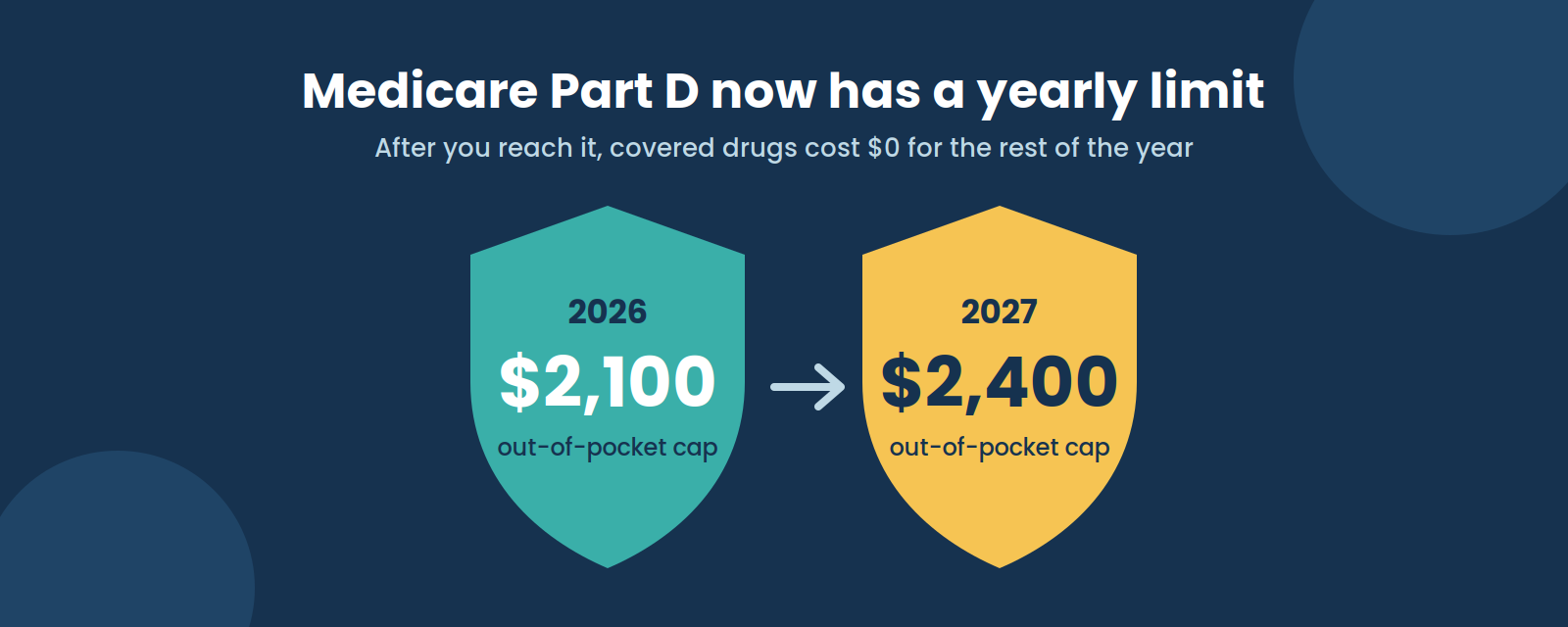
Medicare Part D now caps what you pay for covered drugs each year: $2,100 in 2026, rising to $2,400 in 2027, with the standard deductible going from $615 to $700 (AP, Oct 2026). Once you reach the cap, you pay nothing more for covered Part D drugs that year.
One important rule: drug-maker copay coupons cannot be used with Medicare, Medicaid, TRICARE or other government plans. If you are on Medicare, skip to Step 4 (free-drug programs) and Step 5 (charities). Ozempic is not covered for Medicare patients through its free-drug program.
If you have commercial insurance (through work or the Marketplace), most brand-name kidney, diabetes and heart drugs have a manufacturer copay card. These cards often bring your copay down to $0–$25 a month.
Most drug companies run patient assistance programs (PAPs) that ship brand-name medicine free to people who qualify. These programs mainly help people who are uninsured, underinsured, or on Medicare and struggling with costs. Income limits are often higher than people expect, sometimes several times the federal poverty level.
To apply, you may need to submit proof of income for some programs, along with insurance information and a form signed by your doctor. Medicine is shipped to your home or our office, often in 90-day supplies, and you reapply once a year.
Examples for medicines our patients commonly take:
Not sure if your medicine has a program? Search by drug name at the Medicine Assistance Tool or NeedyMeds. Or simply ask us; our staff can help complete the paperwork.
Independent nonprofit foundations pay copays and other drug costs for insured patients, including people on Medicare. Each foundation runs "disease funds" that open and close during the year as money comes and goes, so check often and apply as soon as a fund opens.
Our team can tell you which funds currently cover your diagnosis.
Ask whether a generic is available. Generics have the same active ingredient and work the same way, usually at a fraction of the price. Good news for kidney patients: the FDA approved the first generic versions of Farxiga (dapagliflozin) in April 2026, and generic versions are now becoming available (Lachman Consultants). We have also been sending Farxiga prescriptions to Mark Cuban Cost Plus Drugs, where it typically costs patients around $7.00. Jardiance does not yet have a U.S. generic.
Compare cash prices. If you are uninsured, or your copay is higher than the cash price, these tools can help:
One caution: money you pay with a discount card usually does not count toward your insurance deductible or Medicare's yearly cap. Ask your pharmacist to run the price both ways before you choose.
You do not have to figure this out alone. When cost is a concern, our team can:
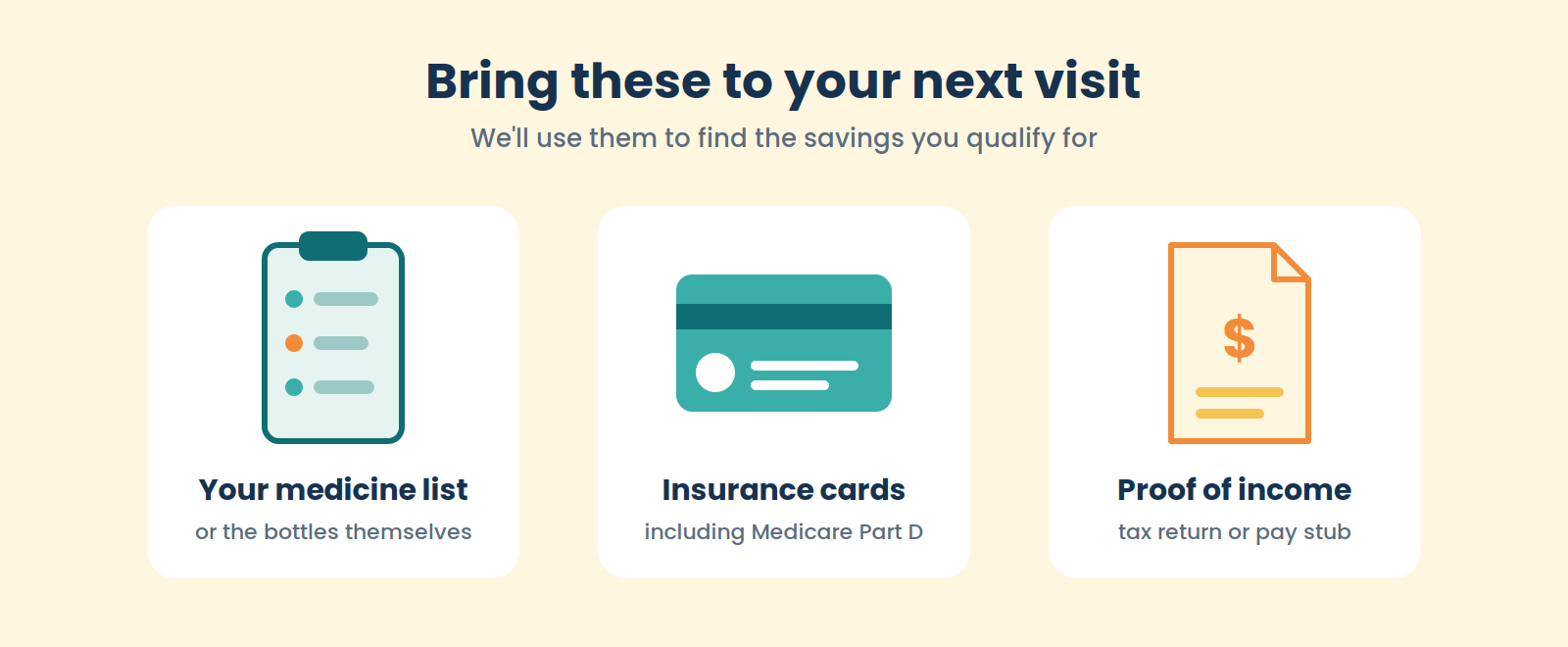
Bring a list of your medicines and your insurance card to your next visit (you may need to submit proof of income for some programs), or call your DRG clinic at (972) 274-5555 and ask for help with medication costs.
This article is for general information and does not replace advice from your doctor or pharmacist. Program rules, prices and eligibility change often; confirm details directly with each program. Information current as of October 2026.
Q: What should I do if I cannot afford my kidney medication?
A: Please do not skip doses, split pills or stop a medicine because of cost. Tell your Dallas Renal Group care team first. We can suggest a lower-cost or generic option when one fits your care, submit prior authorizations, support insurance appeals, and help you complete manufacturer and foundation applications. Call your DRG clinic at (972) 274-5555 and ask for help with medication costs.
Q: Can I use a drug-maker copay coupon with Medicare?
A: No. Manufacturer copay coupons cannot be used with Medicare, Medicaid, TRICARE or other government plans. If you are on Medicare, free-drug programs from the drug maker and charity copay funds are better places to start.
Q: How can I lower my kidney medication costs with Medicare?
A: Medicare Part D caps what you pay for covered drugs each year: $2,100 in 2026, rising to $2,400 in 2027. You can also ask your Part D plan about the Medicare Prescription Payment Plan, which spreads drug costs into monthly payments at no fee, and apply for Extra Help, a federal program that lowers premiums, deductibles and copays for people with limited income and savings.
Q: How can I get kidney medicine for free?
A: Most drug companies run patient assistance programs that ship brand-name medicine free to people who qualify, mainly those who are uninsured, underinsured, or on Medicare and struggling with costs. You may need proof of income for some programs, insurance information and a form signed by your doctor. Medicine is shipped to your home or our office, often in 90-day supplies, and you reapply once a year. Our staff can help complete the paperwork.
Q: Is there a generic version of Farxiga?
A: Yes. The FDA approved the first generic versions of Farxiga (dapagliflozin) in April 2026, and generic versions are now becoming available. We have also been sending Farxiga prescriptions to Mark Cuban Cost Plus Drugs, where it typically costs patients around $7.00. Jardiance does not yet have a U.S. generic.
Q: Can charities help pay for kidney medications?
A: Yes. Independent nonprofit foundations such as the PAN Foundation, HealthWell Foundation, American Kidney Fund and Accessia Health help pay copays and other drug costs for insured patients, including people on Medicare. Their disease funds open and close during the year, so it helps to check often and apply as soon as a fund opens. Our team can tell you which funds currently cover your diagnosis.